
Table of Contents
- What Makes Artisanal Streetwear Apparel Different
- Hand-Designed Streetwear: Craftsmanship Over Mass Production
- Durability and Longevity in Quality Garments
- Environmental and Ethical Impact of Artisanal Production
- Streetwear Quality Guide: How to Identify Genuine Artisanal Pieces
- How to Style Streetwear for Maximum Impact
- Caring for Printed Apparel and Hand-Finished Details
- Cost, Value, and Long-Term Investment
- Frequently Asked Questions
Last Updated: October 11, 2026
What Makes Artisanal Streetwear Apparel Different
Artisanal streetwear apparel stands apart from mass-produced clothing through intentional design, careful construction, and a commitment to quality that extends far beyond the surface. At NYC Authentic's, we've curated a collection of hand-designed apparel that reflects this philosophy. The difference isn't just aesthetic, it's structural, ethical, and tangible in how these garments perform over time.

Hand-designed streetwear begins with a creator's vision rather than a algorithm's calculation. Each piece carries the fingerprints of its maker, literally and figuratively. This approach produces garments with personality, character, and attention to detail that mass production simply cannot replicate. The stitching patterns, fabric choices, and design decisions reflect individual craftsmanship rather than cost-optimization formulas.
The contrast with fast fashion is stark. While conventional retail prioritizes speed and volume, artisanal streetwear prioritizes intention and durability. A hand-designed hoodie or tee isn't designed to be replaced next season, it's built to become part of someone's permanent wardrobe.
Hand-Designed Streetwear: Craftsmanship Over Mass Production
Traditional techniques define how artisanal streetwear apparel gets made. Artisans work with precision tools and years of muscle memory to execute seams, hems, and finishing details that machines handle with mechanical consistency but without the adaptive problem-solving a human brings to the work.
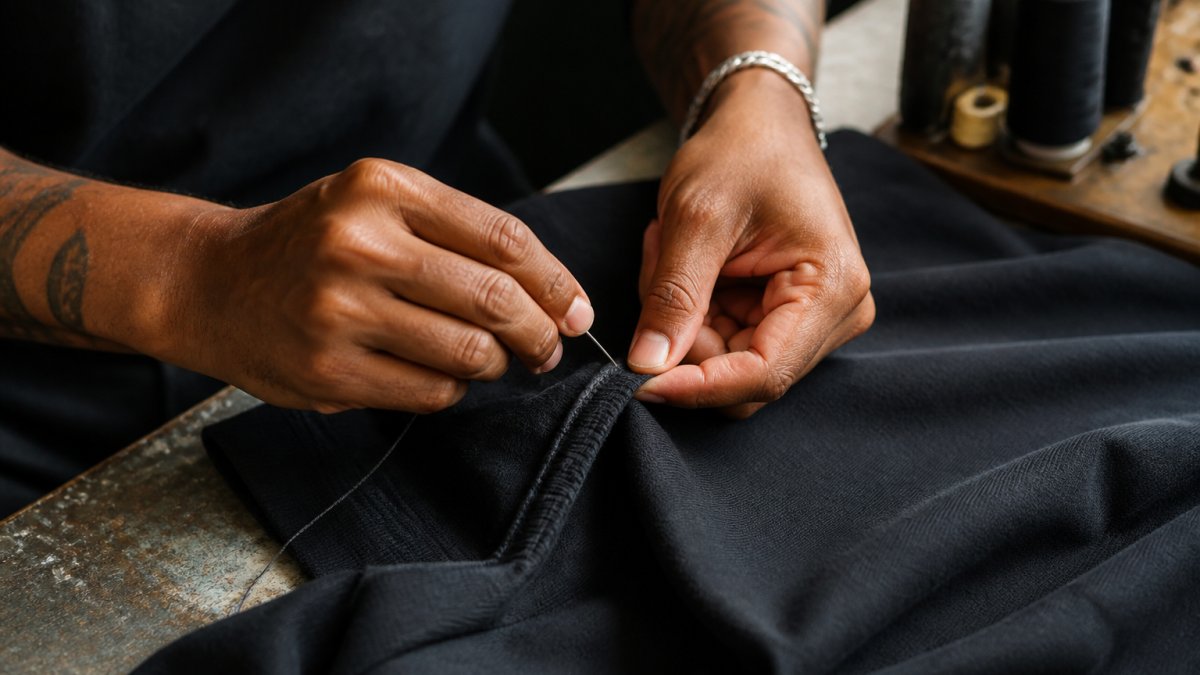
This hand-designed approach means fewer shortcuts. When a seam might pucker under a machine's rigid pressure, an artisan adjusts technique. When fabric grain doesn't align perfectly, they compensate. These small corrections compound into garments that fit better and last longer. The personal touch isn't sentimental, it's functional.
Mass production optimizes for cost per unit. Artisanal production optimizes for quality per unit. That philosophical difference cascades through every decision: thread weight, stitch density, fabric sourcing, and finishing methods. A piece from NYC Authentic's reflects decisions made by someone who stakes their reputation on the outcome, not someone managing a quota.
Durability and Longevity in Quality Garments
Garment quality correlates directly with how long clothing remains wearable. Artisanal streetwear apparel constructed with proper seam allowances, reinforced stress points, and high-quality materials resists the wear patterns that degrade cheaper alternatives. A heavy-weight tee from a quality maker will hold its shape, color, and structural integrity through dozens of washes.

The longevity advantage compounds economically. A $50 piece worn 200 times costs $0.25 per wear. A $15 piece worn 30 times costs $0.50 per wear. Hand-designed apparel shifts the cost-per-wear calculation dramatically in the wearer's favor.
Durability also means repairability. Quality construction uses standard techniques that tailors recognize and can restore. A broken seam on an artisanal piece gets fixed; the same damage on a mass-produced garment often signals replacement.
Environmental and Ethical Impact of Artisanal Production
Artisanal streetwear apparel production typically generates less textile waste than mass manufacturing. Smaller production runs mean fewer overstock items destined for landfills. Hand-designed pieces produced to order or in limited quantities avoid the inventory bloat that characterizes fast fashion.
The environmental calculus extends to material selection. Artisans often source fabrics with environmental impact in mind, natural fibers, sustainable dyes, suppliers with transparent practices. Mass producers prioritize cost; artisans can afford to prioritize impact.
Ethical production becomes visible in artisanal work. When a person designs and makes a piece, their name and reputation attach to it. This accountability creates incentive for fair compensation, safe working conditions, and sustainable sourcing. The garment carries the maker's values embedded in its construction.
Supporting artisanal production means supporting livelihoods. Small-scale makers earn sustainable income from their work rather than competing in a race-to-the-bottom wage market. Communities that preserve traditional craft skills maintain cultural identity and economic resilience.
Streetwear Quality Guide: How to Identify Genuine Artisanal Pieces
Identifying authentic hand-designed streetwear apparel requires examining specific markers that mass production typically skips.
Seam construction reveals manufacturing philosophy. Hand-stitched seams show slight variations in spacing and angle, evidence of human execution rather than mechanical precision. Seams should be straight and secure, but the minor irregularities indicate intentional work. Look for reinforced stress points where seams intersect.
Fabric weight and texture signal quality. Genuine artisanal pieces use substantial materials, heavy-weight cotton, quality blends, natural fibers. Run your fingers across the fabric. Quality construction feels deliberate, not thin or flimsy.
Finishing details matter. Check hems, cuffs, and collar bands. Are they sewn with care or glued? Do edges lay flat or curl? Do tags attach securely or hang loose? Artisanal makers finish every visible and invisible surface.
Print and design application shows attention. Hand-designed graphics should have clean edges, consistent color coverage, and proper curing. Poorly applied prints crack and fade; quality prints age gracefully.
Labeling and documentation provide transparency. Legitimate artisanal makers identify themselves, often including production location, materials, and care instructions. Anonymous labeling suggests mass production.
How to Style Streetwear for Maximum Impact
Hand-designed streetwear apparel functions best as statement pieces within intentional outfits. A quality tee or hoodie becomes the focal point, not background filler.
Fit and proportion matter more with artisanal pieces. Because these garments are often constructed to specific dimensions rather than cut from generic templates, fit becomes part of the design. Wear them as intended rather than oversizing or undersizing.
Pairing strategy determines whether a piece reads as intentional or accidental. Hand-designed streetwear typically pairs well with understated basics, solid pants, minimal accessories, letting the designed piece command attention. Avoid competing prints or busy patterns that dilute the impact.
Layering amplifies artisanal pieces. A quality hoodie worn over a simple tee, or a tee layered under an oversized jacket, creates depth and visual interest. The construction quality becomes more apparent in layered looks where seams, hem details, and fabric weight show through.
Footwear and accessories should complement rather than dominate. Minimal jewelry, simple bags, and understated accessories keep focus on the apparel itself.
Caring for Printed Apparel and Hand-Finished Details
Proper care extends the lifespan of artisanal streetwear apparel significantly. Quality garments reward careful maintenance, and streetwear pieces, often featuring bold graphics, heavy-weight fabrics, and reinforced construction, require specific handling to preserve both aesthetics and structural integrity.
Washing and print preservation demand attention to graphic durability. Turn printed pieces inside out before washing to protect graphics from friction and fading. Use cold water (below 60°F) and gentle cycles; hot water weakens both fabric fibers and adhesive bonds in screen-printed or embroidered designs. Choose detergent formulated for color preservation and avoid bleach, optical brighteners, and fabric softeners, which degrade both natural fibers and print applications. For heavily printed pieces, hand washing in cool water offers maximum protection. Wash printed apparel separately from items with zippers, hardware, or rough textures that can snag graphics or seams.
Drying methods directly impact longevity. Air drying preserves fabric elasticity, print integrity, and color saturation far better than machine heat. Lay flat or hang on a line away from direct sunlight, which fades colors and weakens fibers over time. If machine drying is necessary, use the lowest heat setting and remove garments while slightly damp to prevent shrinkage. Heat-set graphics can crack under sustained high temperatures; even low-heat cycles compound damage over repeated drying cycles. Heavy-weight pieces benefit from air drying because they retain their structure and weight better than heat-dried alternatives.
Storage prevents damage between wears and maintains garment shape. Fold heavy pieces rather than hanging them, which stretches shoulder seams and distorts fit over time. Store in cool, dry spaces away from direct sunlight and heat sources. Use cedar blocks or lavender sachets instead of mothballs, which can leave chemical residue on fibers. Separate artisanal pieces from regular garments in storage; the care standards differ, and quality apparel benefits from lower-temperature environments and protection from dust and humidity fluctuation.
Repairs and restoration maintain functionality and extend wear life. A loose seam caught early prevents unraveling that compounds into larger damage. A small hole patched promptly stops expansion. Quality pieces justify professional repair investment because the base garment's durability means repairs restore rather than replace. Many artisanal makers offer repair services or can recommend tailors familiar with their construction methods. Reinforced stress points, where sleeves meet body, where cuffs attach, can be re-stitched if seams separate. Graphic touch-ups are possible for screen-printed pieces; a skilled printer can add matching ink to cracked or faded areas. Keeping original care tags and documentation helps repair professionals understand construction details and material composition.
Resale and circulation extend a garment's total lifespan. Well-maintained artisanal pieces retain value in resale markets because durability and design quality remain evident. Before reselling, clean thoroughly, repair any damage, and document condition honestly. Pieces that have been cared for properly, washed correctly, stored properly, repaired when needed, command higher resale prices than neglected alternatives, recovering a portion of the original investment and keeping quality apparel in circulation rather than landfills.
Cost, Value, and Long-Term Investment
The price difference between artisanal streetwear apparel and mass-produced alternatives reflects genuine construction differences, not marketing markup. A hand-designed heavy-weight tee at $50 from NYC Authentic's carries real cost: quality materials, skilled labor, smaller production runs, and sustainable sourcing.
The value calculation shifts when accounting for durability. That $50 piece worn 200 times costs $0.25 per wear. A $15 alternative worn 30 times before degrading costs $0.50 per wear. Over a five-year period, investing in artisanal pieces typically costs less than replacing cheaper alternatives repeatedly.
Beyond economics, artisanal streetwear apparel offers intangible value. Wearing a piece made with intention, constructed with care, and designed with individual vision creates different psychological experience than wearing anonymous mass-produced clothing. The garment carries story, maker's story, design story, construction story, that adds meaning.
Long-term investment in quality apparel also simplifies wardrobe management. Fewer, better pieces create more outfit combinations than many cheaper pieces. A curated collection of artisanal basics and statement pieces becomes more functional than a closet full of disposable fast fashion.
The real comparison isn't artisanal versus mass-produced in isolation, it's total cost of ownership over time. Quality streetwear apparel designed with craftsmanship and built to last competes favorably against the cumulative expense of replacing cheap alternatives repeatedly.
Frequently Asked Questions
What makes artisanal streetwear apparel actually last longer than mass-produced clothing?
Artisanal streetwear apparel is constructed with superior stitching techniques, reinforced seams, and quality materials selected for durability. Hand-designed pieces receive individual attention during production, catching defects before they ship. Mass-produced garments prioritize speed and cost-cutting, often using thinner fabrics and weaker thread. The difference shows within months of regular wear, with artisanal pieces maintaining their structure and print quality far longer.
How can you tell if streetwear is genuinely hand-designed versus mass-produced dropshipped items?
Genuine hand-designed streetwear shows consistent attention to detail: even stitching, aligned prints, reinforced seams at stress points, and quality fabric weight. Ask the retailer about their production process and whether they control manufacturing. Check for specific design elements that reflect individual artisan choices rather than generic templates. Authentic pieces often include maker marks or batch information. Compare the garment's construction to photos from the brand, inconsistencies between listings and received items signal dropshipping.
Why is hand-designed streetwear apparel more expensive, and is it worth the price?
Hand-designed streetwear costs more because artisans invest time in craftsmanship, select quality materials, and maintain ethical production standards. You're paying for durability that reduces replacement frequency, environmental responsibility, and unique design you won't find elsewhere. Calculate cost per wear over the garment's lifespan, a $50 tee worn 100 times costs 50 cents per wear, while a $15 mass-produced piece worn 20 times costs 75 cents per wear. Artisanal apparel typically delivers better long-term value.
How should you care for printed apparel to maintain the design and quality?
Wash printed streetwear apparel inside-out in cold water with mild detergent to protect the design from fading and cracking. Avoid bleach and fabric softener, which damage both print and fabric. Air-dry flat or hang-dry rather than using a dryer, which causes shrinkage and weakens fibers. Store in a cool, dry place away from direct sunlight. For hand-finished details, handle gently during washing. Proper care extends the life of artisanal apparel significantly, preserving the craftsmanship investment.